








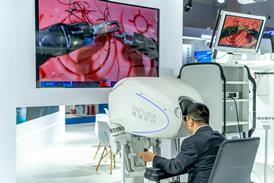










The European Medicines Agency (EMA) has launched a pilot programme to support the development of breakthrough medical devices in the EU. This tests a new regulatory pathway that supports patient access to highly innovative technologies while maintaining rigorous safety and performance standards and will offer enhanced support for manufacturers whose devices qualify for ‘breakthrough’ status.
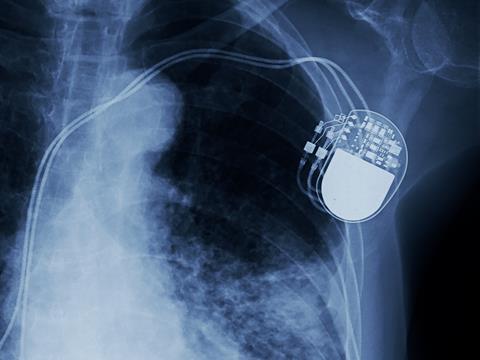
Breakthrough designation can be granted to highly innovative medical devices that demonstrate the potential to address unmet medical needs or offer substantial advantages over existing technologies. Manufacturers seeking breakthrough designation can submit a request for an opinion to the medical device expert panels, and if eligible, will benefit from priority scientific advice from the panels that are overseen by the EMA on how to implement the latest guidance.
The pilot programme will be conducted in three phases until 2027. Phase one is open to Class III (high risk) medical devices and Class IIb active medical devices intended to administer or remove medicines from the body. Subsequent phases will be open to other types of devices, including in vitro diagnostics.
The pilot builds on the Guidance on Breakthrough Devices published by the European Commission’s Medical Device Coordination Group in December 2025. It is the start of the formal implementation of a framework for breakthrough medical devices, which the European Commission included in its December 2025 proposal for revising the Medical Devices Regulation and In Vitro Diagnostic Medical Devices Regulation, specifically new Article 52a of the Medical Devices Regulation and new Article 48a of the In Vitro Diagnostic Medical Devices Regulation.
Regulatory affairs professionals working on Class III or Class IIb active devices should review the pilot programme page and the Medical Device Coordination Group’s Guidance on Breakthrough Devices. Those working on in vitro diagnostics should monitor for the opening of subsequent phases.
Detailed guidance and application templates for phase one are published on the EMA’s website.