
- Pharmaceuticals
 The end of the two-tier system: A comparative review of the FDA’s 2024/2025 shift on biosimilar interchangeability and its impact on global harmonisation
 IDMP after the API: From one-time submission to living data governance
 Mapping early and often FDA interaction in rare disease programmes: Building the path from discovery to registration
- Veterinary
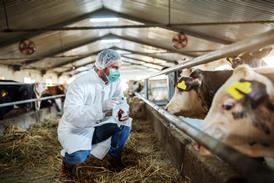 Latin America: From low-cost venue to strategic platform in veterinary clinical research
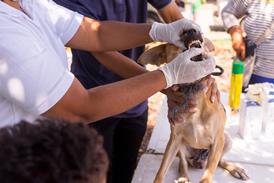 A lifecycle oversight of veterinary medicines regulation in Latin America
 A career in veterinary regulatory affairs: Roles and competencies across the product lifecycle
 November 2025 – Contents: Veterinary medicines sessions
- Medical devices
 The FDA Quality Management System Regulation and the limits of harmonisation: Building a global QMS around a common core
 China’s volume-based procurement revolution: How policy, procurement and industrial strategy are reshaping medical device market access
 From regulation to implementation: Medical device serialisation and traceability in India
- Industry news
- Commentary
- Collections









A lifecycle oversight of veterinary medicines regulation in Latin America

Abstract
Latin America has progressed in the post-marketing care and assessment of veterinary products by structured surveillance (pharmacovigilance), risk−benefit assessment and regulatory monitoring throughout the product lifecycle. This regulatory evolution is driven by the growing adoption of the ‘One Health’ concept, given the indirect links between veterinary products and human health, food safety and the environment.
In Brazil, regulations governing veterinary pharmacovigilance and recent restrictions on antimicrobial use demonstrate that national systems are incorporating these globally significant programmes. While countries like Chile and Colombia show notable regulatory variation, they already have well-structured veterinary pharmacovigilance programmes. Regional initiatives such as the American Committee on Veterinary Medicines (CAMEVET) and the International Cooperation on Harmonisation of Technical Requirements for Registration of Veterinary Medicinal Products (VICH) foster scientific convergence and provide widely used operational guidelines; however, they do not replace national regulations for registering or authorising veterinary products.
The next step for Latin America envisions the consistent implementation of regulatory and pharmacovigilance systems, characterised by solid regulatory capacity among governmental agencies and drug companies, alongside transparent, traceable procedures.
This article examines how the regulation of veterinary medicines in Latin America is shifting from pre-market authorisation towards oversight of the entire product lifecycle, using recent Brazilian reforms as a case study and placing them within a region marked by national heterogeneity and ongoing harmonisation efforts.
How to read this journal article
Thank you for visiting Regulatory Rapporteur. Journal articles are restricted to TOPRA members and registered users.
If you are a TOPRA member, or have already registered for limited free access, log in now (Option 1 below).
Not yet a member? You can either join TOPRA (Option 2 below) or register to view limited content for free (Option 3 below).

The Organisation for Professionals in Regulatory Affairs
- Contact us
- Copyright © 2015-2026 The Organisation for Professionals in Regulatory Affairs Ltd. t/a Regulatory Rapporteur - All rights reserved