







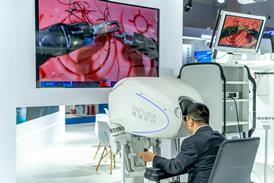











Overview of the regulatory and development landscape for brain-computer interfaces in neurodegenerative disease treatment

Abstract
Brain-computer interfaces (BCIs) are medical devices that facilitate interaction between the brain’s neural pathways and a computational system. Over recent decades, advances in BCI research and technology have driven their translation towards therapeutic applications, particularly for individuals with neurodegenerative disorders in which progressive neuronal loss leads to profound motor and cognitive impairments.
Surgically implanted closed-loop BCIs, capable of both recording and stimulating neural activity, typically consist of neural electrodes connected to a stimulation module and a computational unit that analyses and modulates brain signals in real time. The complexity and surgical nature of these invasive BCIs introduces significant safety risks, attracting heightened regulatory oversight.
For entry into human trials, high standards of manufacturing and control and defined preclinical studies are required to ensure the safety of subjects. For approval, further robustness must be determined and evidence of performance effectiveness in humans must be demonstrated with carefully planned long-term safety monitoring and control plans in place.
Overall, robust manufacturing and quality compliance are the foundation for safe clinical translation, and a coordinated, adaptive regulatory model, built on early dialogue, data transparency and shared learning, will be key to advancing neurotechnology safely and effectively worldwide.
How to read this journal article
Thank you for visiting Regulatory Rapporteur. Journal articles are restricted to TOPRA members and registered users.
If you are a TOPRA member, or have already registered for limited free access, log in now (Option 1 below).
Not yet a member? You can either join TOPRA (Option 2 below) or register to view limited content for free (Option 3 below).

The Organisation for Professionals in Regulatory Affairs
- Contact us
- Copyright © 2015-2026 The Organisation for Professionals in Regulatory Affairs Ltd. t/a Regulatory Rapporteur - All rights reserved