
















The Veterinary Medicines Directorate (VMD) has changed how it calculates adverse events and how this must be reported for animal medicines. This has now taken full effect after updates to the Veterinary Medicines Regulations were made in 2024.

The Veterinary Medicines Directorate (VMD) has changed how it calculates adverse events and how this must be reported for animal medicines. This has now taken full effect after updates to the Veterinary Medicines Regulations were made in 2024.
As outlined in this news update, the VMD will now calculate adverse event incidence rates by taking the number of animals experiencing adverse events and dividing this number by the estimated number of animals treated, and then multiplying this by 100 to give a percentage.
The VMD has also changed the dates it uses for calculations. It will no longer use the date when the event was reported to the VMD; instead, and when possible, it will use the date when the adverse event started, in order to help improve accuracy.
More information can be found in section 4.4 of Guideline IV Signal management, including benefit-risk reports.
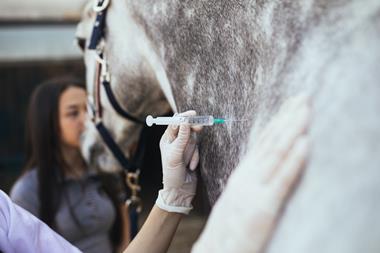
Adverse events are defined as ‘observations that are unfavourable and unintended that happen after giving a medicine to an animal.’ Sometimes, symptoms and side effects that were not visible during clinical trials become apparent during real-world observations. It is therefore important to ensure consistent post-market surveillance and reporting is conducted to help improve the safety and effectiveness of medicines.
To report a problem with an animal medicine, access this page for more information.
Access further Regulatory Rapporteur resources below